Get Well Flowers That Stay Fresh Longer: Key Points
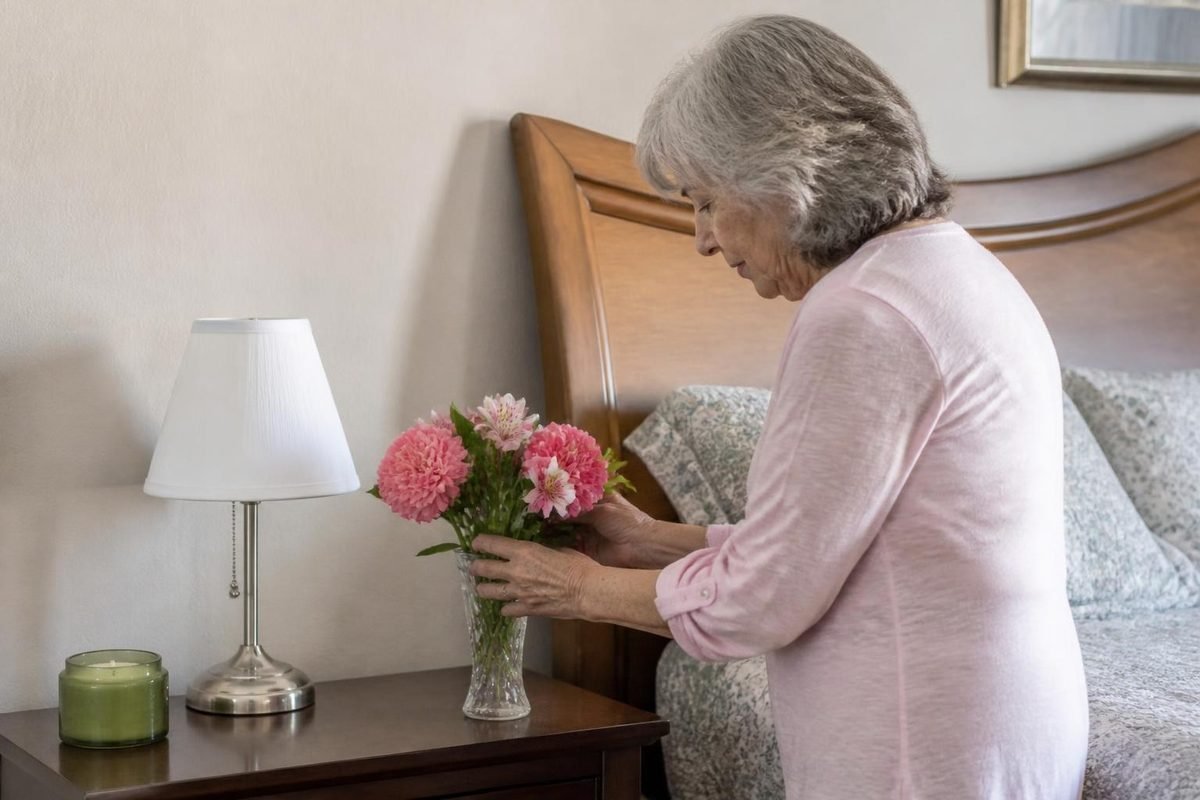
Chrysanthemums, carnations, alstroemeria and cut orchids are good choices for a get well arrangement that can last. With clean water and basic care, many stay attractive for a week or two, and some may last longer.
Hardy flowers for a longer display
How long cut flowers last depends on how fresh they are, the temperature of the room and the care they receive. No variety is guaranteed to last for a set time. These flowers are practical options if you hope the arrangement will remain bright beyond its first few days.
- Chrysanthemums: These robust blooms often last two weeks or more. They are available in many colours and forms, including small button flowers and larger, rounded blooms.
- Carnations: Fresh carnations can keep well in a vase for about two weeks. Their ruffled petals bring texture to a display, and their firm stems work well alongside other flowers.
- Alstroemeria: Known as Peruvian lilies, alstroemeria often lasts one to two weeks. Each stem carries several buds, which means newer flowers may open while older blooms begin to fade.
- Cut orchids: Some cut orchids remain fresh for two weeks or more. A small number of stems can give an arrangement a special look without needing much space.
Look for firm stems and leaves that appear healthy. A mix of open flowers and buds gives the recipient blooms to enjoy right away, with unopened buds able to extend the display. Do not choose bunches with slimy stems or petals that have started to turn brown.
Choose a display that fits the room
A small arrangement in a compact vase is often easier to manage than a large display. It can fit on a bedside table and is less likely to need moving whenever someone wants to set down a book or a glass of water. This can be helpful for a person who is resting or has limited space.
Think about fragrance before choosing the flowers. Someone who is unwell or trying to rest may find a strong scent unpleasant. Carnations, chrysanthemums and alstroemeria generally have less fragrance than many lilies. The scent can still differ between varieties, so a low fragrance choice is not a guarantee that a bouquet will be scent free.
For a hospital delivery, check the ward’s rules first. Some wards do not permit flowers, and available space may be limited. If possible, ask about allergies before sending an arrangement. At home, take pets into account. Lilies are especially dangerous to cats, and other flowers may also cause harm if eaten. Keep flowers out of pets’ reach and check the safety of each variety before buying.
Care for the flowers after delivery
Start with a clean vase and fresh water. Remove leaves that would sit under the water, because submerged leaves can break down and decay. Trim the stems before placing them in the vase. If flower food comes with the arrangement, use it according to its directions.
Replace the water regularly, and cut the stems again as needed. Keep the vase away from direct sunlight, heaters and ripening fruit. As individual flowers fade, remove them so they do not crowd the remaining stems and the rest of the arrangement can show well.
If the recipient does not feel up to caring for the flowers, offer to change the water for them. A modest display of sturdy blooms can add colour to the room while keeping the care simple and avoiding an extra task on the bedside table.
A related guide: Poles living in Vienna